Microsoft's Cobalt 200 is Microsoft saying agentic AI is turning cloud buying into a price-performance problem again.
Microsoft says "AI alone won’t change your business. The system running it will." That is the right frame. The system now includes the CPUs, the servers, the networking, and the workflow that keeps agents busy.
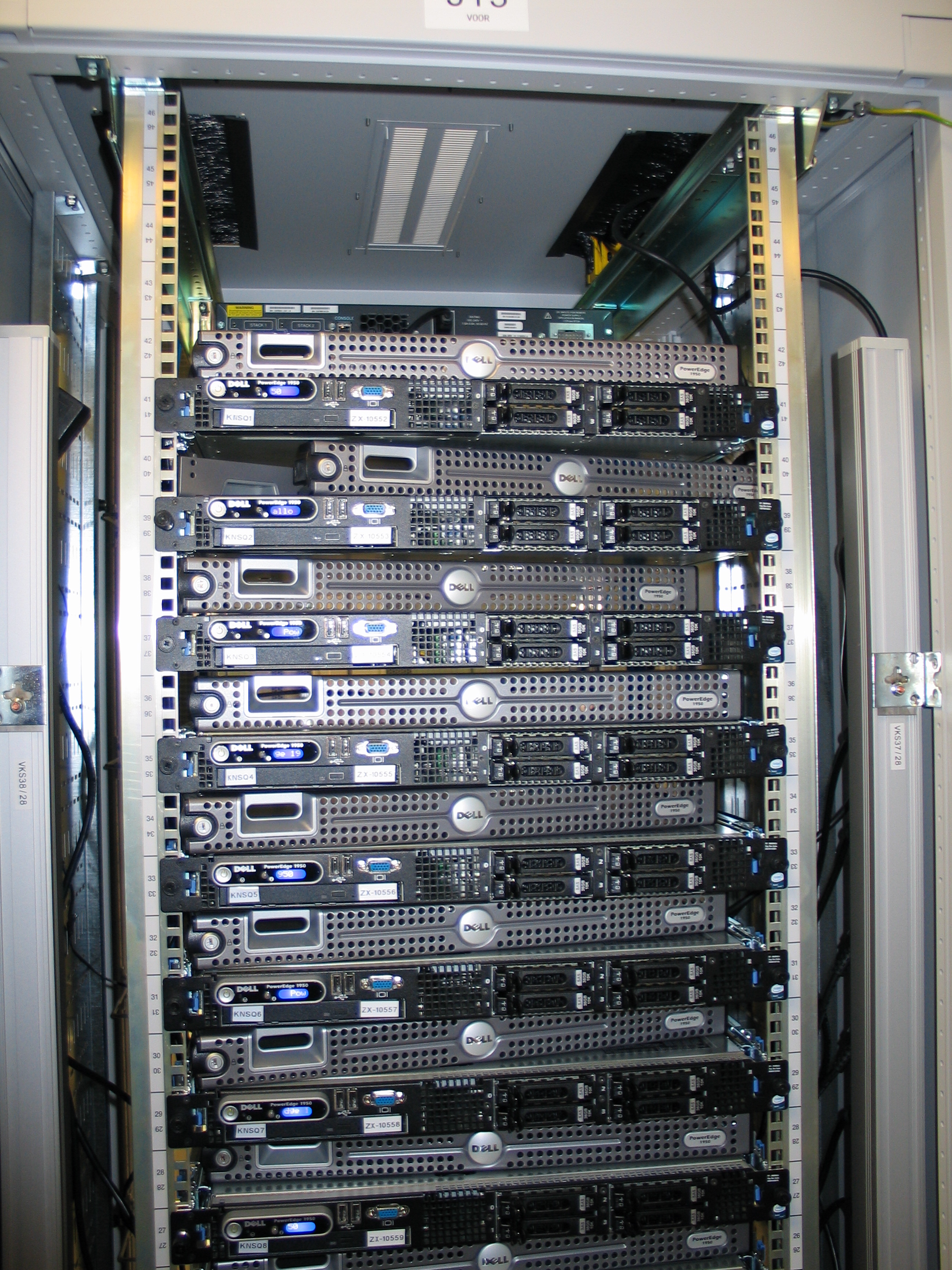
Azure says the new Arm-based VMs are built for scale-out, cloud-native, Linux-based agentic AI workloads, and they offer "up to 50% better generational performance over Cobalt 100." That is a pricing story hiding inside a hardware story.
Free HubSpot workshopBring one HubSpot problem to a free 30-minute callA screen-share walkthrough of your portal with me, not a salesperson, and a short roadmap at the end. No contract or credit card.Book the free workshopThe detail I keep coming back to is Microsoft’s line that "agents are unique from traditional workloads." That is useful because the work does not behave like a normal request-response app. If agents reason, make sequential decisions, and run continuously at scale, the infrastructure has to be built for that pattern too.
The companies that win here will not just ask what model to buy. They will ask what the work costs per run, what the infra costs per hour, and whether the stack can stay boring as usage grows. The same math applies to any tool in the RevOps stack. AI only matters when the operating math works.