A model that changes every week belongs on flexible hardware. A model that runs the same job millions of times may be wasting money on flexibility it no longer needs.
AMD entered that tradeoff on August 6 when it agreed to acquire Taalas, a Toronto chip startup that builds the hardware around a specific AI model. The terms were not disclosed, and the deal still needs regulatory approval. The product decision is already clear: AMD wants a specialized inference option beside its general-purpose Instinct GPUs.
This is not simply a faster-chip story. It is a bet that some AI workloads will become stable and valuable enough to deserve their own silicon.
Start with the workload, not the benchmark
AMD's announcement says Taalas reduces the compute and memory bottlenecks found in general-purpose architectures. AMD plans to integrate the technology into its accelerator roadmap and build system-level solutions that combine it with Instinct GPUs.
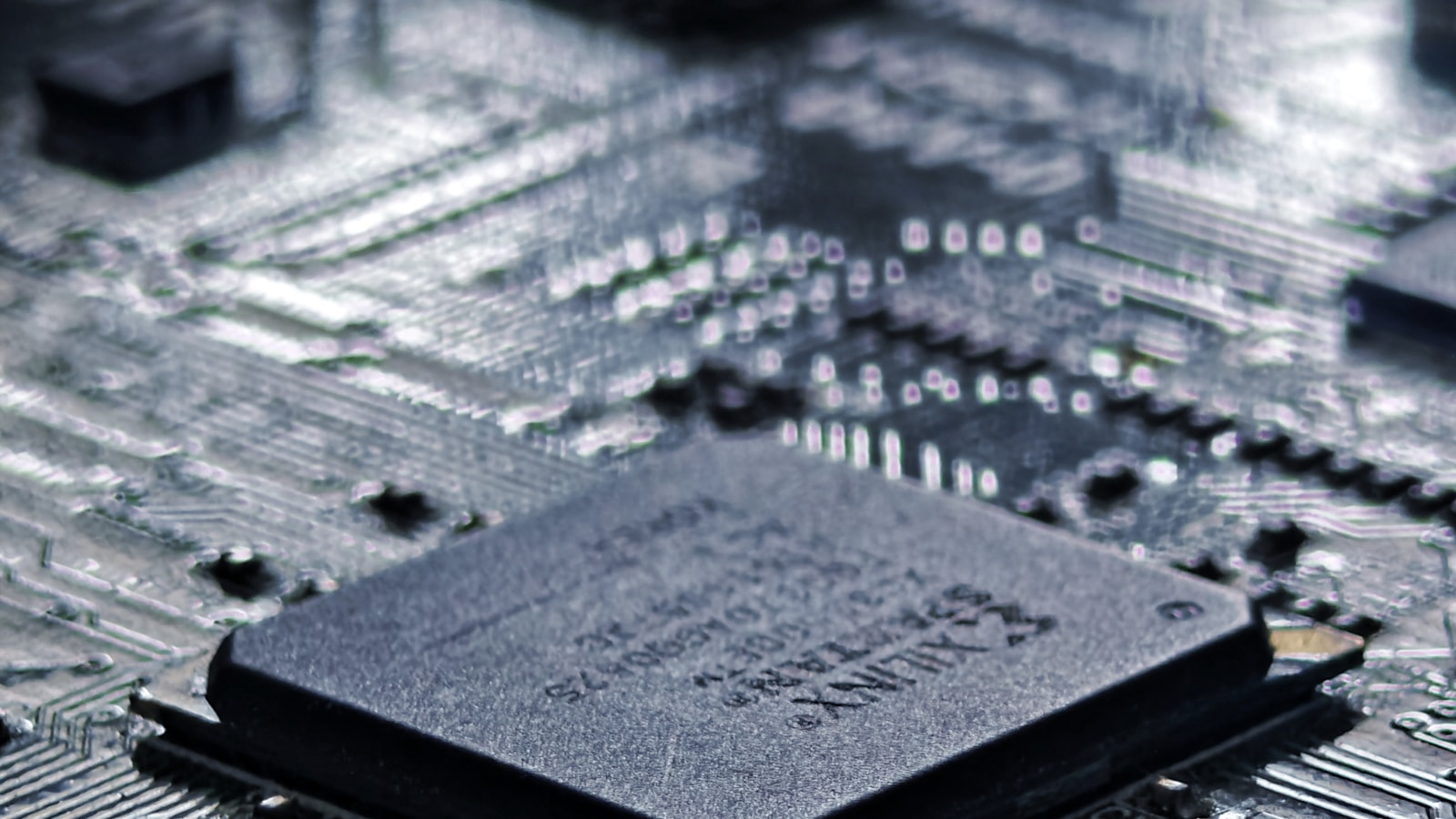
That combination matters. A GPU can train different models, run changing software, and take on a new workload after the old one disappears. Taalas goes in the other direction. Its platform turns a particular model into custom silicon, putting storage and computation together instead of repeatedly moving model weights from outside memory into the processor.
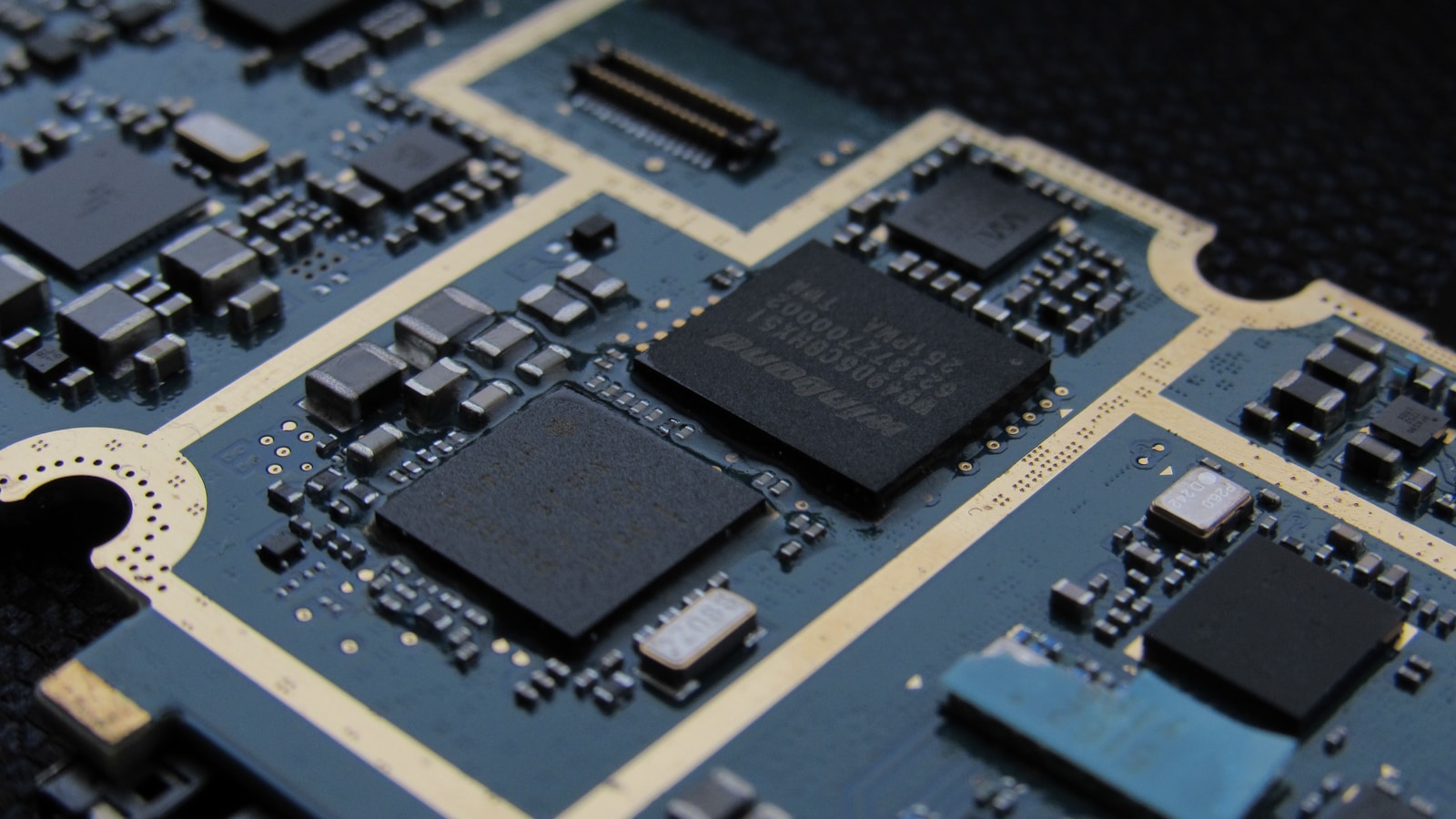
Taalas says it can take a previously unseen model and realize it in hardware in two months. Its first HC1 product hardwired Meta's Llama 3.1 8B model and delivered a company-reported 17,000 tokens per second per user. The company also claimed nearly ten times the speed, one-tenth the power, and one-twentieth the build cost of comparable software-based inference systems.
Those numbers need their boundaries. They come from Taalas, use one older eight-billion-parameter model, and do not represent every prompt, context length, or quality target. Taalas also says HC1's aggressive three-bit and six-bit quantization introduces some quality degradation compared with GPU benchmarks. Extreme specialization creates an extreme benchmark. It does not make the tradeoff disappear.
The model becomes part of the capital plan
With ordinary inference infrastructure, a team can change the model while keeping much of the server investment. Hardwire the model and that relationship reverses. A major model change can turn into a hardware decision, with fabrication time, deployment work, and stranded-capacity risk attached.
That makes demand stability more important than a peak token number. A narrow model serving a high-volume, repeatable task may justify dedicated silicon. An application still experimenting with model providers, architectures, or quality levels probably will not. The savings arrive only when enough useful work stays on the chip long enough to repay the specialization.
Taalas preserves some movement through configurable context sizes and low-rank adapters for fine-tuning, but that is not the same as loading any model onto a GPU. Its own product roadmap acknowledges the pace of change. HC1 began with Llama 3.1 8B. A second-generation HC2 platform is meant to handle a frontier model with denser hardware and standard four-bit floating-point formats.
Sam C BarthThe bill shows up in your stack eventuallyI help operators keep HubSpot and RevOps simple enough that bigger shifts do not break the basics.Visit samcbarth.comThe company frames its goal plainly: “General-purpose computing entered the mainstream by becoming easy to build, fast, and cheap.” That is the Taalas side of the deal. The open question is whether custom model chips can become easy to order and deploy while the models themselves keep moving.
AMD is buying another branch, not replacing the tree
AMD already sells the flexible side through Instinct accelerators, EPYC CPUs, ROCm software, and Helios rack-scale systems. The acquisition adds a more specialized branch. Vamsi Boppana, who leads AMD's AI group, said the company wants customers to deploy “the right compute solutions for every AI workload.”
That sentence is more useful than treating Taalas as a replacement for GPUs. A large AI service could use flexible accelerators for training, new models, and variable demand, then move mature high-volume inference onto harder, cheaper silicon. AMD could sell both layers and use its chiplet, packaging, system, and software work to make them operate as one platform.
The integration risk sits in that last phrase. Two architectures do not become one product because they share a rack. Developers need a clean path for deciding where a model runs, measuring quality and cost, moving traffic, handling a model update, and falling back when dedicated capacity is full. AMD did not announce that operating layer, a shipping date, an acquisition price, or a first joint customer.
The hardware choice needs the same kind of inventory a CRM cleanup starts with. Before choosing the fastest system, a company needs a workload inventory: which model is approved, how often it changes, how much traffic is predictable, what quality floor applies, and who owns the exit if the model moves on. Without that record, cheap inference can become expensive stranded hardware.
AMD is buying the possibility that inference stops being one market. Some workloads will keep paying for flexibility. Others may run often enough, and change slowly enough, to earn a chip built around them. Taalas succeeds inside AMD when choosing that second path becomes a repeatable purchasing decision, not a science project. The decisive number will not be 17,000 tokens per second. It will be how many useful workloads stay still long enough to make their silicon pay.